CUT-AND-COVER
Dig it up, roof it over
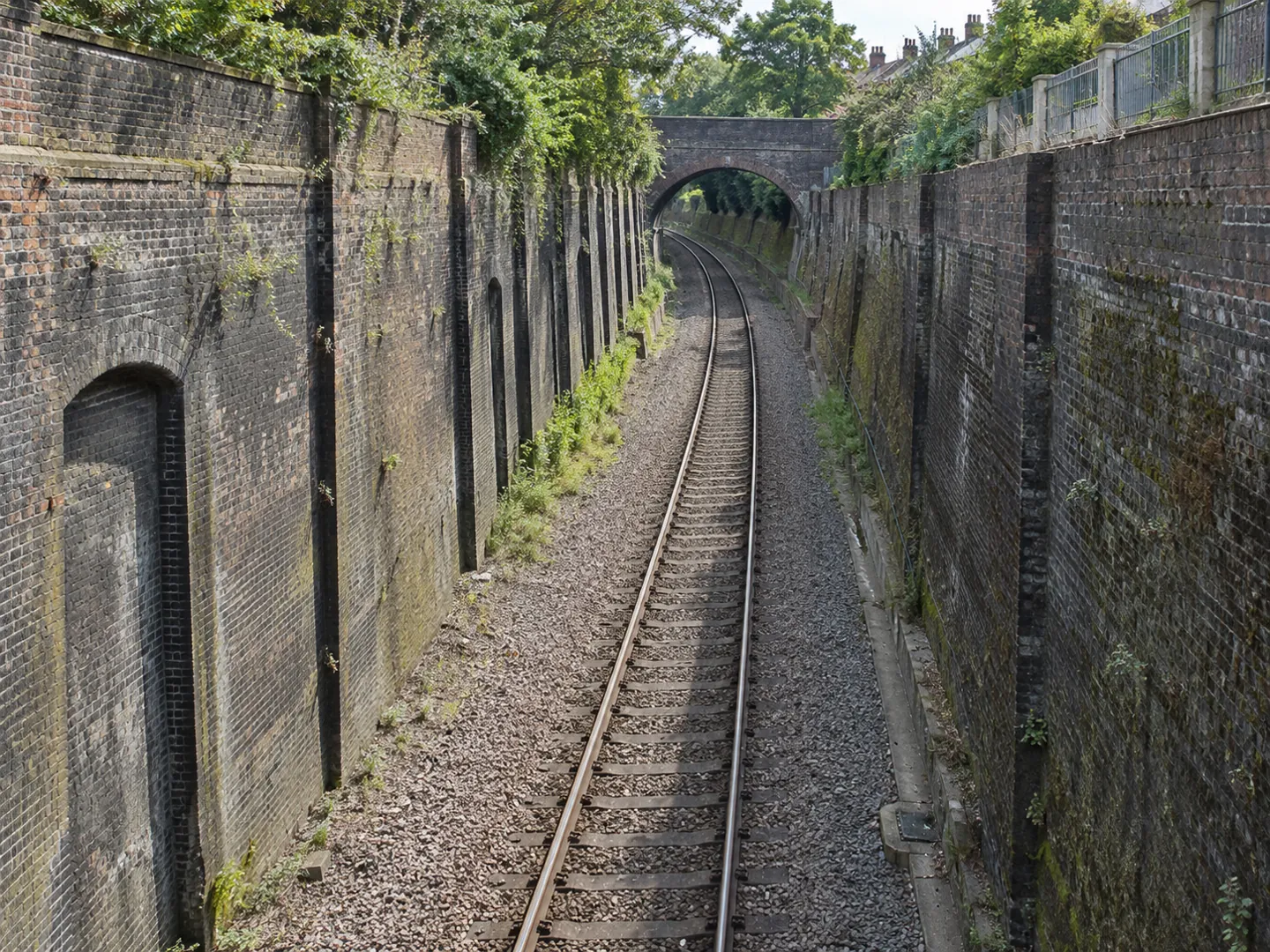
The Metropolitan Railway of 1863 was built by digging a trench, laying the line and covering it again. It worked, but it was costly and disruptive to the streets above.
Compare the methods doodletube
HOW LONDON WENT UNDERGROUND
The world's first underground railway opened in London in 1863.
It was built by digging up the street and roofing it over. Twenty-seven years later, engineers tunnelled deep through the clay instead, and the round tunnels gave the Tube its name.
SINCE 1863 under London's streets
Check a methodTHE SHORT ANSWER
Early lines sit just under the street.
Deep lines were bored through London clay.
CUT-AND-COVER
The Metropolitan Railway of 1863 was built by digging a trench, laying the line and covering it again. It worked, but it was costly and disruptive to the streets above.
Compare the methodsDEEP TUBE
James Henry Greathead perfected a shield that cut circular tunnels through the clay. The first deep tube, the City & South London, opened in 1890 and ran on electricity.
See the numbersMODERN MACHINES
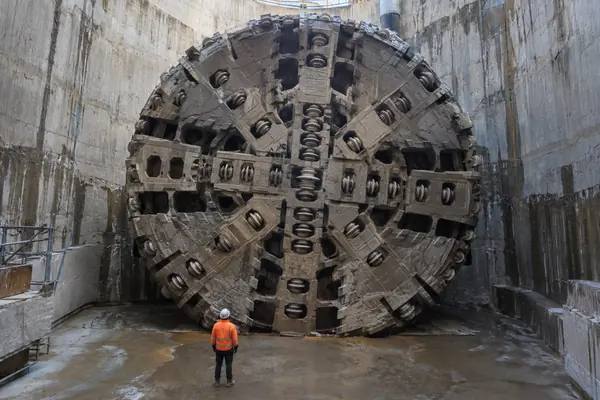
London Transport Museum says the shield's principles live on in today's tunnel boring machines, used on Crossrail and the Northern line extension to Nine Elms.
Spot it yourself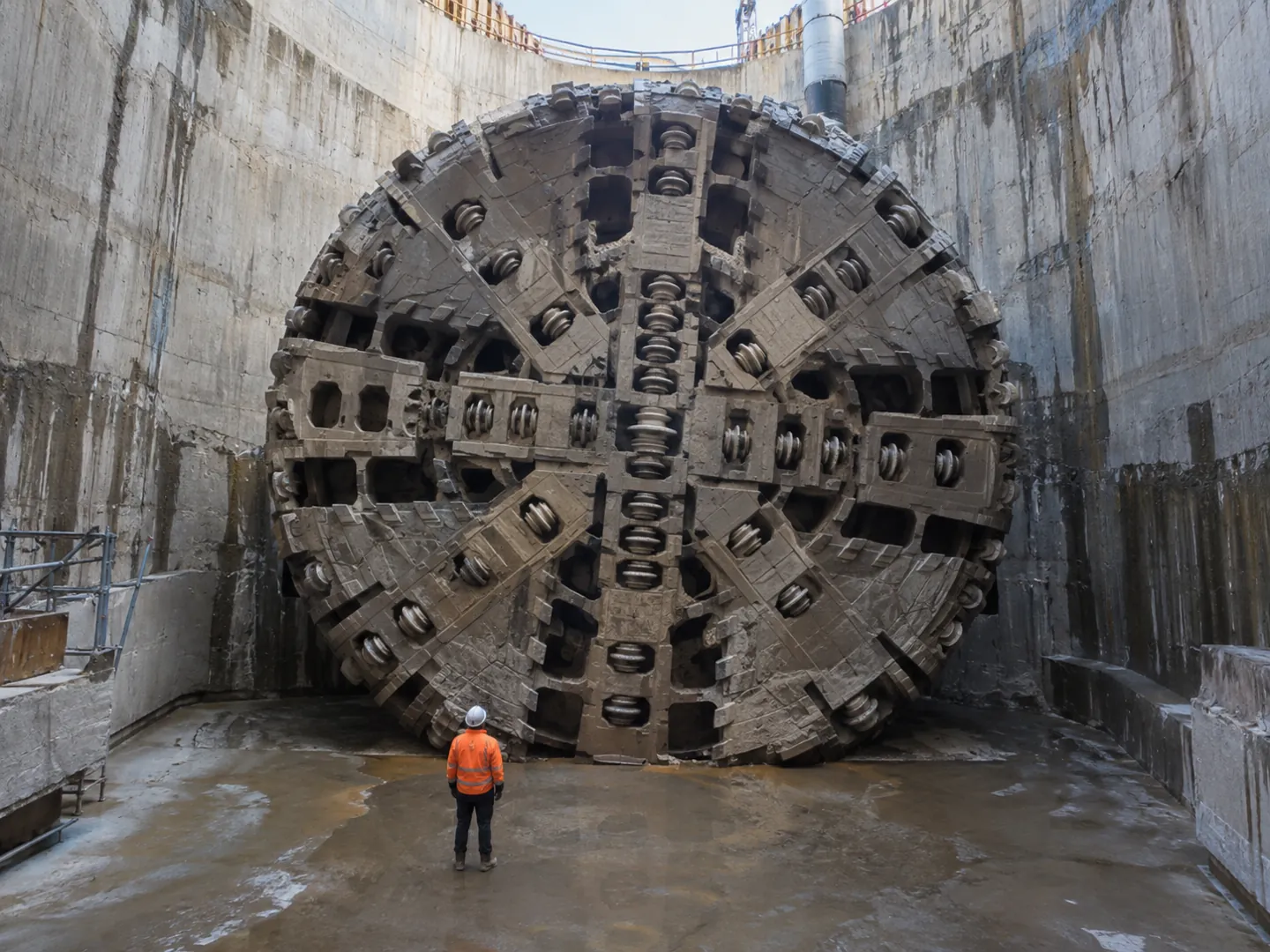
FOUR THINGS TO LOOK FOR
You can tell a lot about a line from the platform. These are clues anyone can spot on a normal journey.
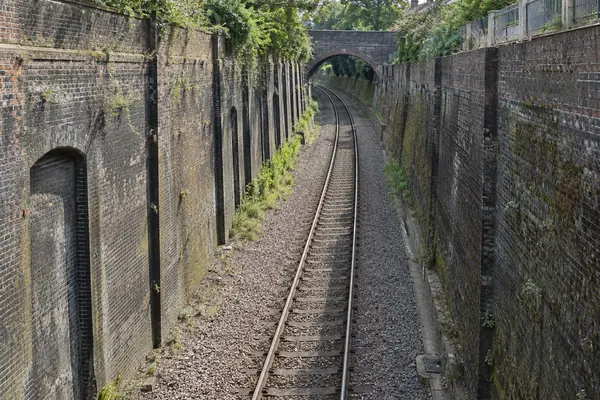
Shallow lines such as the Metropolitan, the oldest underground railway in the world, run close to the street and often open out into cuttings.
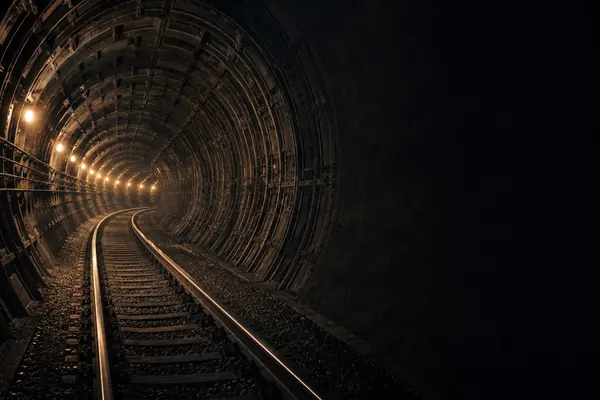
On the deep lines the tunnel wall curves right over the train: the circular shape cut by the shield through London clay.
Deep lines need lifts or long escalators. TfL lists Hampstead as the deepest lift shaft, at 55.2 metres.
London Transport Museum shows a Greathead Shield model and a City & South London Railway coach from 1890.
TWO NUMBERS WORTH KNOWING
One figure on how busy it is,
one on how much of it is really underground.
1.35bn
Passengers a year
TfL puts annual passenger numbers on the London Underground at 1.35 billion. Its busiest station, Waterloo, handles 100.3 million passengers a year.
JOURNEYS · TfL
45%
Share of the 402 km network
TfL gives the network's length as 402 km and the proportion in tunnels as 45%. Most of the Underground is not underground at all.
IN TUNNELS · TfL
Figures from TfL's London Underground facts and figures page, which also lists 78 step-free stations and an average train speed of 33 kph.
A QUICK METHOD CHECK
Pick a way of building a railway line to see how it was done and where you meet it on the network. The bar shows roughly how far below the street each method goes.
Based on TfL facts and figures and the London Transport Museum and London Museum histories of the Underground.
WHY IT GETS WARM
The deep tunnels were built over a century ago with very little ventilation, and the clay around them has soaked up decades of heat. On-train readings reported by the Institution of Mechanical Engineers reached 33.6°C on the Victoria line and 31.7°C on the Central line.
TfL has trialled cooling panels that pass air over pipes of cold water, reuses groundwater pumped from the tunnels to cool Victoria station, and has borehole cooling at Oxford Circus and Green Park. The Elizabeth line's trains are air-conditioned.
Questions
The Metropolitan. The Metropolitan Railway opened in January 1863, linking Paddington, Euston, King's Cross and Farringdon. London Transport Museum calls it the oldest underground railway in the world.
The deep lines were bored as round tunnels through the clay. London Museum says the first deep "tube" railway made by tunnelling was the City & South London, opened in 1890, which is now part of the Northern line.
Builders dug a trench along the route, laid the railway in it and covered it over again. London Transport Museum notes it was costly and disruptive to the streets above.
TfL lists Hampstead as having the deepest lift shaft on the network, at 55.2 metres. The early cut-and-cover lines run just below the street.
TfL gives the length as 402 km, with 45% in tunnels, and annual passenger numbers of 1.35 billion. Trains travel 83.6 million km a year at an average speed of 33 kph.
Updated
ABOUT THIS NAME
doodletube.com is part of the DoodleSale portfolio. It isn't in an auction right now, but you can ask about leasing it.